You want your baby to fall asleep on their own, but every time you de baby in de lays out the cradle or cot begins dethem crying. Many olddeParents have to deal with this and don't really know how to solve it. It can be very frustrating when you notice that your baby is unable to fall asleep on their own. What can you do about this? Snoozzz.com tells you more about letting your baby fall asleep on their own and gives you handy tips to help your baby sleep better.
Why doesn't your baby sleep independently?
Often, your baby cannot fall asleep independently because they are not used to it. Once you have given birth, you actively work with your baby. de stroke. Developing a sleep ritual often plays an important role here.derdefrom there. You rock your baby in your arms and sing a lullaby until your baby falls asleep, or you wait until your baby falls asleep on your stomach and then lay your baby down. de cradle or the crib. These kinds of sleep rituals feel strange for new parentsders fine and very natural. Unfortunately, they cause deThey also create rituals that prevent your child from falling asleep independently. We call this dependent sleep association.
buy sleep wrap
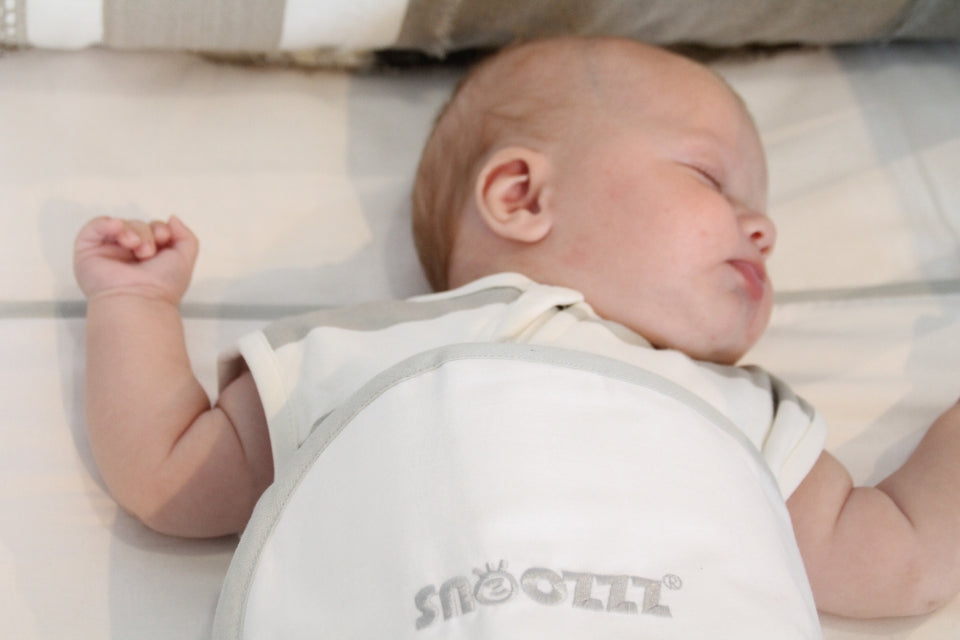
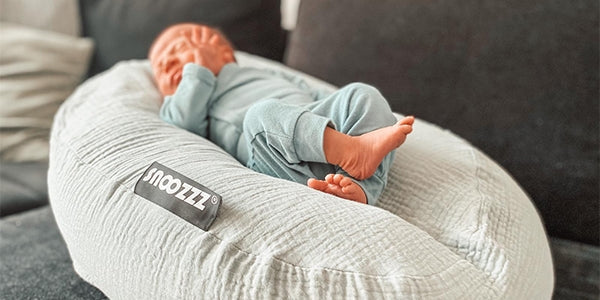
In de Snoozzz sleep wrap your baby sleeps safely on de back or on de she. It gives your baby de security just like in de wombder and ensures that your baby sleeps better. De The sleep wrap is easy to use and fits around ieder mattress.
View the sleep wrap here
What exactly is dependent sleep association?
Your baby normally goes through a sleep cycle. After forty-five minutes, your baby wakes up briefly, after which dethem to de to followde sleep cycle should go. Your baby must do this independently. If your baby is used to you helping him or her fall asleep, then your baby will really wake up completely again after 45 minutes.deand again your help anddeneed support todeto be able to sleep. Because your baby has become accustomed to this sleep ritual, your baby can no longer fall asleep independently. A baby who de help from an oudeThe person who needs to be able to fall asleep suffers from dependent sleep association. With dependent sleep association, de baby therefore dependent on de youder to be able to fall asleep.
Should you just let your baby cry then?
If your baby wakes up again after a 45-minute sleep cycle, and does not go to sleep independently de to followde sleep cycle is possible, then your baby will do this in de In most cases, they make it known by crying. Many olddeParents wonder whether you should go to your baby then, or just let your baby cry until they fall asleep again on their own. Previously, it was often said that it was better to let your baby cry. It would be a goodde be a way for your baby to learn to comfort themselves, and thus solve the problem independentlyden de develop lungs better if you de baby crying. Onderequests have inmiddeIt has been demonstrated that this is not the case. Babies younger than six months are unable to comfort themselves. So it is better to go to your baby.
How can you get your baby to fall asleep on their own?
UltimatelydeOf course, the goal is to get your baby to fall asleep on their own. How do you do this? You do this mainly by working step-by-step and slowly changingdeto incorporate rings into the sleep ritual so that it remains manageable for your child. Simply carry out the sleep ritual you have taught your baby, but do not wait until your baby is fast asleep.Perform the ritual until the moment you notice that your baby starts to get sleepy.den. As soon as your baby is nice and sleepy, put your baby in de cradle or cot and leave you de nursery. Your baby can then fall asleep on their own.

from 129,00
Breaking off the sleep ritual a little earlier each time
You can let your baby fall asleep on their own by ending the sleep ritual a little earlier each time. It starts with waiting until your baby gets sleepy before you tuck your little one in. de lays the cradle or crib. Step by step, you work towards the moment when your baby is simply still awake when you place your child in de lays in the cradle or cot. EventuallydeIt seems that way you gradually acquire what has been learned.de Breaks down your baby's sleep ritual, after which your baby learns to fall asleep on their own.
Letting your baby fall asleep on their own during the day
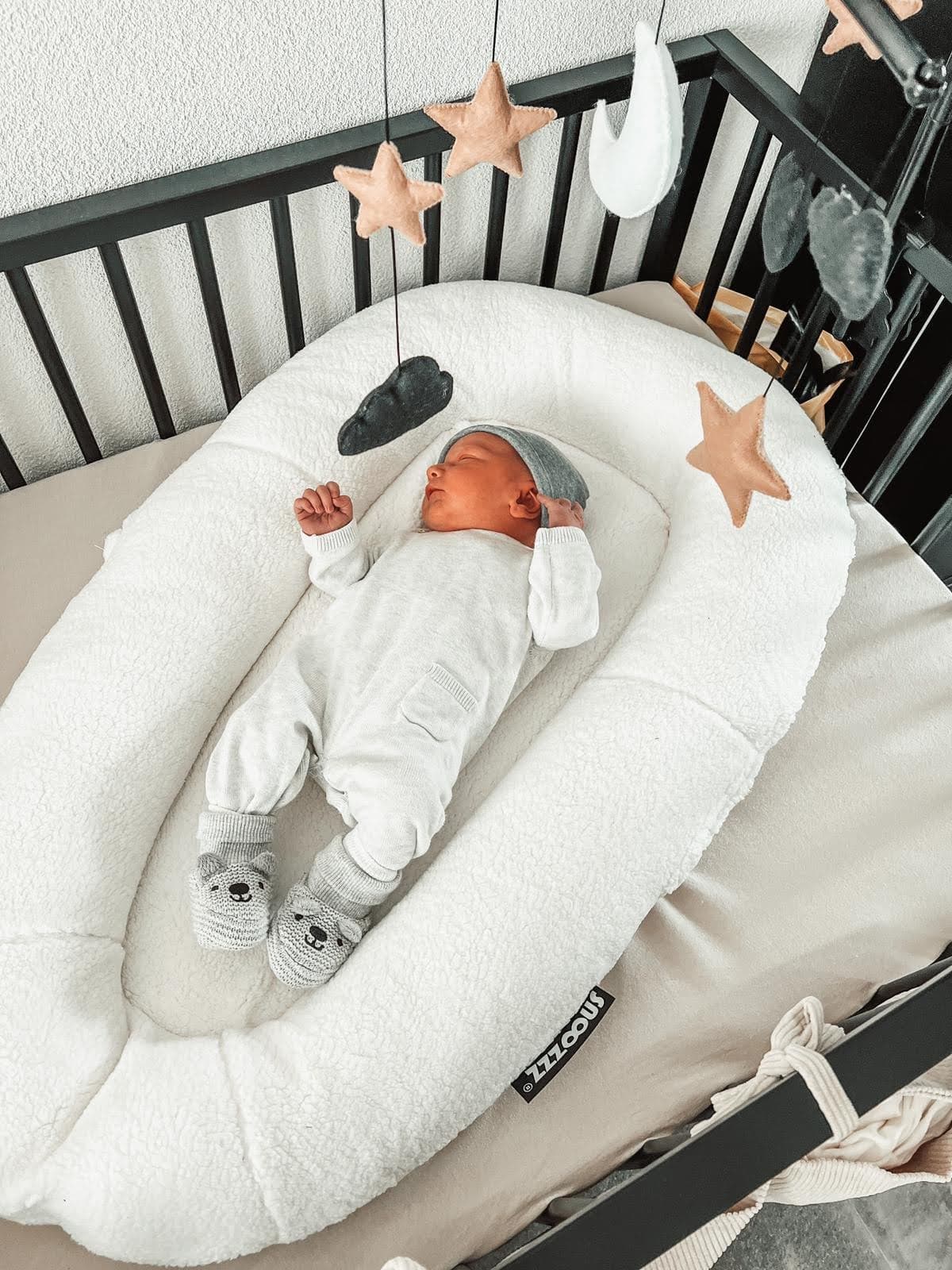
Babies naturally have a very andeher sleep rhythm than adults. It is therefore the case that your baby also sleeps during the day. You can see it sleep rhythm change your babyderun as your baby growsder becomes. Also with de You can easily practice daytime naps with your baby so that they learn to fall asleep independently. This certainly doesn't necessarily have to be done in de cradle or cot. You can easily put your baby in a cradle or cot during the day. baby nest let them sleep and thereby practice letting your baby fall asleep on their own. BedeDo you always think that it takes time to teach your baby to fall asleep independently if your child is not used to it? Give it de time and you will see that in the enddeseems to go better, easier, and faster on its own.
De Getting the baby to fall asleep on their own really isn't working.
Unfortunately, there are also ungder de Babies are difficult sleepers. Are you really unable to get your baby to fall asleep on their own, and are you perhaps wondering if there is an alternative?deWhat is the cause? Then never hesitate to stop by. de to go to the general practitioner. Deshe can check if your baby by andere redewho cannot fall asleep well on their own. Additionally, your GP can of course provide you with personal advice. Would you like to know more from us about letting your baby fall asleep on their own? Then feel free to contact us. contact join us.