

Pelvic pain and pregnancy. Unfortunately, for many women, they go hand in hand. There are women who have actually been dealing with regular pelvic pain since puberty, which worsens during pregnancy and after childbirth. Other women experience pelvic pain exclusively when they are pregnant or in the period after delivery. Pelvic pain therefore comes in various forms, from pelvic pain during pregnancy to pelvic pain during menopause. So what can you do about it? Snoozzz.com gives you more information and a number of handy tips for pelvic pain.
What is pelvic pain and where exactly is pelvic pain located?
What exactly is pelvic pain? It does not manifest the same way in every woman. For one woman, it is a nagging pain, while another experiences a stabbing or burning pain. The same actually applies when we look at exactly where the pelvic pain is located. One woman primarily experiences pain on the front of the body, while another mainly experiences pain on the back and buttocks. This also ensures that pelvic pain symptoms vary widely. As a result, it can be difficult to determine whether pain complaints are truly pelvic pain symptoms or have another cause.
How does pelvic pain feel – the symptoms
If you have never experienced pelvic pain before, it can be difficult to recognize the symptoms. Sometimes the symptoms are confused with symptoms that have another cause, such as menstrual pain. The most common pelvic pain symptoms are:
- Pain over the front of the pelvis (near the pubic bone)
- Abdominal pain low in the abdomen (lower abdomen)
- Pain in the groin area
- Painful hips
- Pain on one or both sides of the lower back and/or buttocks
Buy a pregnancy pillow
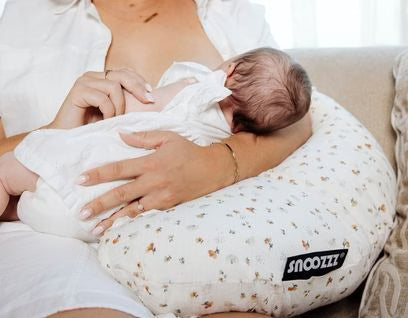
A pregnancy pillow is the same as a nursing pillow or breastfeeding pillow. They are different names for the same product. Buy your Snoozzz pregnancy pillow here. Choose from various designs and fabrics. Our pregnancy pillows are OEKO-TEX 100 certified, so they are free from harmful substances.
View the pregnancy pillow here
Pelvic pain during pregnancy
Many women experience pelvic pain during pregnancy. Are you experiencing extreme pelvic pain and are you pregnant? Then it is advisable to visit your GP. Under no circumstances should the pain become so severe that you are unable to function. Pelvic pain during pregnancy has various causes. During pregnancy, the ligaments loosen, which can cause the pelvis to make uneven movements. This extra movement can cause pain. As your baby grows, this can also lead to a change in posture, placing a heavier load on the pelvis and lower back. The pelvic girdle joints can become misaligned, often due to altered muscle activity and increased movement. This can also cause pelvic pain and, above all, discomfort. Finally, the position of the baby can also cause pelvic pain symptoms.
Pelvic pain after childbirth
Are you experiencing pelvic pain after childbirth? In the vast majority of cases, this pelvic pain subsides after a period of rest, although it remains, of course, very unpleasant. During a vaginal delivery, the pelvic floor muscles can stretch to up to three times their own length. The moment the baby is actually born, a trauma occurs in the muscles, as it were, especially when they cramp at the moment of the baby's passage. This is the main cause of pelvic pain after childbirth.It is possible for the pelvic muscles and tissues to tear or be damaged during childbirth. This leads to perineal pain (in the area between the anus and vagina) or pelvic pain. Complications during healing, such as poor healing or infection, can cause worsening pain. If the pain persists for a very long time, it is advisable to consult your GP.
Pelvic pain during menopause
Women entering menopause can also suffer from pelvic pain, and the cause is actually similar to the cause of pelvic pain during pregnancy or after childbirth. Menopausal pelvic pain is caused by ligaments and muscles around the pelvis that are weakening. For many women, this pelvic pain is limited to mild, nagging pain in the lower back. Unfortunately, there are also women who experience extreme pelvic pain during menopause. In certain cases, the pelvic pain can restrict your movements. Is this the case? Then see your GP. In most cases, you will receive a referral for pelvic (floor) therapy, which often leads to a significant reduction in symptoms.
Pelvic pain during menstruation
Menstruation brings with it various types of pain. Some women experience only a dull ache in the lower abdomen, while others suffer from significant pain in the back, upper legs, and breasts, for example. Unfortunately, unbearable pelvic pain also occurs in a smaller percentage of women. This unbearable pelvic pain falls under the category of menstrual pain and is also known as primary dysmenorrhea. It often begins shortly after your period has started. Secondary dysmenorrhea can also occur. In that case, there is another underlying cause, which means the symptoms persist for longer. Do you experience a lot of pelvic pain during your period? The advice might seem a bit strange, but the best thing you can do is have sex. This relaxes the pelvic muscles, causing the symptoms to often subside quickly.
Chronic pelvic pain – various causes
Pelvic pain during pregnancy and pelvic pain after childbirth are forms that often resolve on their own. Unfortunately, this is not true for all variants. There are women who suffer from chronic pelvic pain. Chronic pelvic pain has various causes. There are several conditions that cause chronic pelvic pain:
- Dyspareunia (primarily pelvic pain during sex)
- Dysmenorrhea (primarily pelvic pain during menstruation)
- Endometriosis (worsening pelvic pain during menstruation)
- Adenomyosis (painful menstrual cramps with heavier bleeding)
- Mittelschmerz (also called ovulation pain – often 3 days around ovulation)
Most common treatments for pelvic pain
The best treatment for pelvic pain naturally depends on the cause. Pelvic pain during pregnancy and pelvic pain after childbirth usually resolve on their own and do not require treatment. Rest is often sufficient. Do you experience severe pelvic pain monthly, or is it chronic pelvic pain? In that case, a specialist will investigate which treatment for the pelvic pain is most suitable for you.Among the most common treatments for pelvic pain we find:
- Surgery
- Heat therapy and muscle relaxants
- Physiotherapy
- Nutritional therapy
- Biofeedback
- Acupuncture
Pelvic pain pregnancy tips
Are you experiencing pelvic pain during pregnancy? This pain can significantly impair your daily functioning. There are several things you can do to reduce the pelvic pain and manage it better. We would like to give you some practical tips:
- Be as active as possible within your own pain limits.
- Avoid activities that make the pain worse.
- Rest whenever you have the opportunity.
- Wear flat, supportive shoes.
- Get dressed while sitting down (prevents standing on one leg).
- Keep your knees together when getting in and out of the car (extra tip: place a plastic bag on the seat so you can turn more easily).
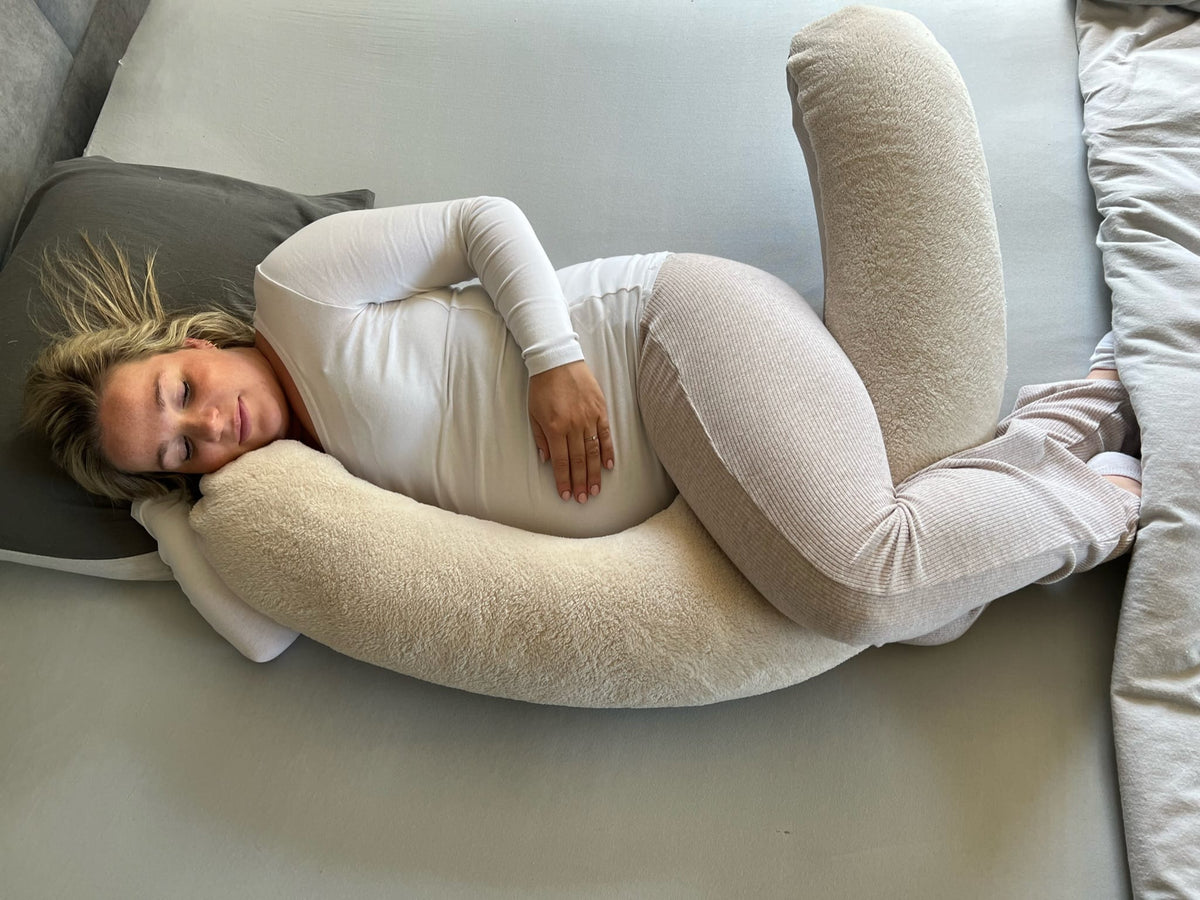
- Place a pillow between your legs at night (us pregnancy pillow is ideal for this!)
- Avoid pushing and pulling movements, such as vacuuming.
Do you continue to suffer from pelvic pain?
Pelvic pain can persist for a long time, even after childbirth. Exactly how long it lasts is personal for every woman. Do you feel that it is taking a very long time? Then do not hesitate to visit your GP. Often there is a simple solution to reduce your pain. pregnancy pillow You can also place it on your back during the day to reduce pain. It helps you put less strain on your body, including when feeding your baby after the delivery. Do you have any further questions? Please feel free to contact us. contact join us.
Read more

Of course, sleeping safely is important for your baby, but when exactly is a baby sleeping safely and what things should you keep in mind? Many parents struggle with these questions. That is unders...

Many parents wonder what exactly the benefits of a baby nest are, and that is understandable. After all, we increasingly hear that having a baby nest is 'essential' for the baby, but we hear much l...