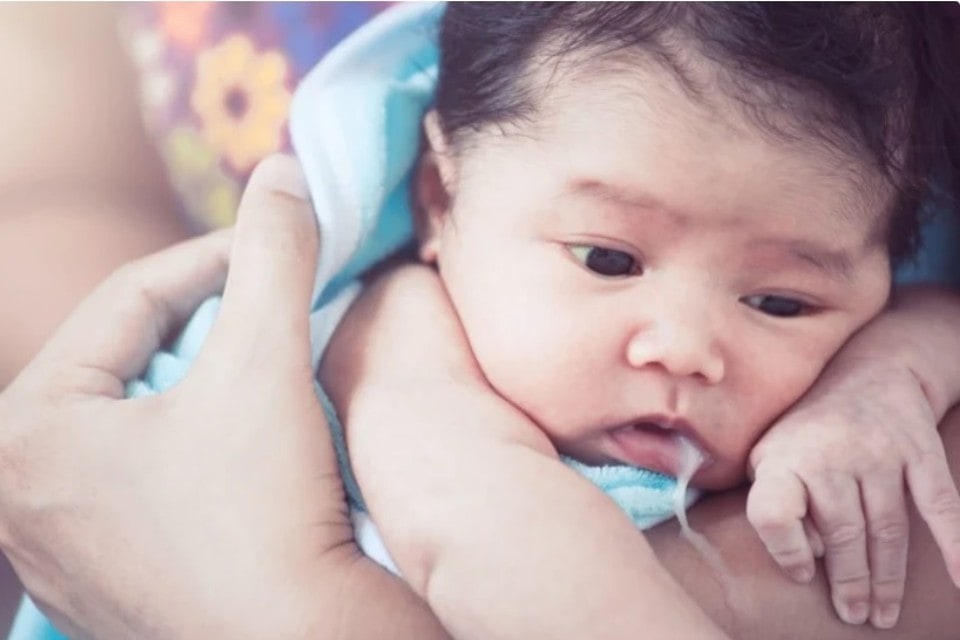
Reflux in your baby is very annoying, but fortunately in de in most cases no redeStill, concern. Baby reflux, also known as infant reflux, occurs when food comes out de your baby's stomach moves upwards. The result is that your baby vomits. With a healthyde baby has more refluxdeoccurs several times a day. So it is not something to worry about immediately. As long as your baby is healthy and contentden is, and naturally growing well, reflux is not a redecause for concern. Is it happening excessively? Then it would be wise to pay a visit to de to take to the general practitioner. Snoozzz.com would be happy to give you more information about reflux at de baby.
Reflux pillow
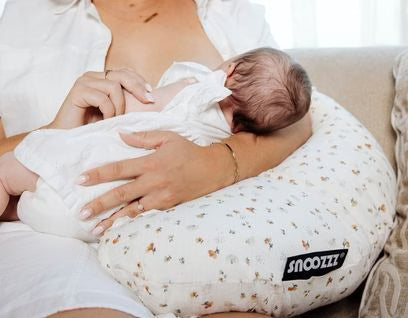
It Snoozzz The reflux pillow for your baby is specialder suitable for babies with reflux and colds. Made of de Best quality cold foam, ventilating with removable cover.
View the Reflux Pillow here
What is baby reflux?
So, reflux in your baby is essentially vomiting. Reflux is certainly not something that only occurs in babies. Adults can also suffer from it. De The condition is also known as GERD. Of this, de baby is usually not an issue. It is very normal that de your baby's food comes back up a few times a day, causing your baby to vomit a little. Especially in de first 18 moondeIt is very common for your baby to vomit regularly. That is why it is always good to have sufficientde burp cloths to have, because you really need them.
Reflux baby symptoms
Let's look at de With reflux baby symptoms, we essentially only see the spitting up of food. Only a little milk may come up, but this can also be in somewhat larger quantities.deto prevent. Selfdeand reflux in your baby is accompanied by severe symptoms. De amount of acid in de Feeding coming up is insufficientde to cause irritation in de your baby's esophagus.
To cause concernde reflux baby symptoms
De Regular reflux baby symptoms are therefore not worrying, but there are a number of infant reflux symptoms that are concerning. When you have one of ourderstaande If you notice symptoms, it is advisable to consult a doctor immediately:
- Your baby is not gaining weight
- There is projectile vomiting (waves of stomach contents coming out de mouth 'shoot')
- Green or yellow fluid is being vomited
- De stomach contents look like coffee grounds
- You notice (a little) blood in de stomach contents
- Your baby doesn't want to eat anymore
- There is blood in it de stool
- Your baby is irritable after eating.
- The vomiting only starts after de age of 6 monthsden
- There is a chronic cough
- Your baby is having trouble with adeto get
What to do about a reflux baby?
You can do a number of things yourself to de to reduce reflux in your babyderun. A few small adjustments can already lead to a significant reduction in de baby reflux. On de First of all, it is good to feed your baby uprightden. Then try to your baby duringde half an hour after the feedingdeto be inde to maintain positionden. De gravity keeps de stomach contents other than where they belong. Do not play with your baby shortly after feeding.den. Movement can actually cause reflux. Try feeding your babydein smaller, more frequent portions. Smaller amounts of food reduce the risk of vomiting. Take de Time to burp your baby.Regular farming timedens and after the foeden helps prevent air from entering de stomach of de baby will accumulate. Always let your baby on de sleeping on their back, even if your baby has reflux. A reflux pillow for your baby helps to de to keep stomach contents lowden.
Which food for a reflux baby?
It would, of course, be very nice if you simply had a list of foods that reduce reflux in your baby. Unfortunately, this does not work in de In practice, that is not the case. Every baby is andeRS and that also means that not all babies have the samede react to food. However, there are a number of products that help reduce reflux for almost all babies.derun. In terms of fruit, these are avocados, bananas, and pears. They all help with de digestion, have low acidity and bieden de best nutrients. Is your baby younger than 6 monthsden? Then it might be a good idea to (tiredder) to thicken milk with cereals. This helps to de to keep milk insideden. Is your baby oldder than 6 moonsdeIf so, it is good to switch to solid food. Start with grains, then vegetables, and then fruit.
Hidden reflux baby
Next to de regular reflux with de Does hidden reflux also exist in this baby? de baby. This is also known as silent reflux. Reflux in de baby acts when de content of de stomach back into de enters the esophagus. Babies with normal reflux spit up milk or formula, whereas in babies with silent reflux it enters de esophagus remains. With silent reflux in your baby de so power supply is up, but de The baby is not throwing up.
Symptoms of silent reflux in babies
If your baby does not spit up, it can be difficult to recognize that your baby is suffering from reflux. It is therefore the case that hidden reflux occurs de a baby is easily overlooked. There are a number of symptoms that indicate hidden reflux in your baby:
- Irritability
- Difficulty sleeping
- Suffocation
- Gagging
- Stuffy nose
- De bending back timedens the foodden
- Chronic cough
- Refusing to eat
- Breaks in de adebreathing (apnea)
- Noisy adesquealing or wheezingde ademhaling
- Hoarseness

49,99

from 49,99
What to do about silent reflux in a baby?
Do you suspect that your baby is suffering from silent reflux? Then it is wise to stop by with your child. de to go to the GP. Every baby is anders and that means that not every treatmentdeis equally effective for every baby. De Your GP can advise you on this. In certain casesde fallen is the satisfactionde to your baby in andere way to footden or to andeto offer power supplydeand to your baby. In andeIn rare cases, it may be necessary to temporarily take your babydeto administer medication. Naturally, it is also good to reflux pillow to buy for your baby when there is silent reflux.
How long does reflux last in babies?
Reflux with de The baby often starts immediately after de birth. You notice that your baby spits up milk after feeding.den. This is very normal and nothing to worry about, as long as it happens in normal amounts, of course. Does it seem like your baby is constantly vomiting or very large amounts?deAre you vomiting at the same time? Then it is wise to consult a general practitioner. de The rule applies that reflux decreases in your baby as your baby gets olderder becomes. Do you notice that de Your baby's reflux actually gets worse when your child is already six months old, order? Even then, it is good to stop by de to go to the general practitioner.
When does baby reflux stop?
By far de in most cases stops de reflux in your baby de age of about 18 monthsden. It is important to bedethink that every baby is unique. It is therefore quite possible that your babydeno longer suffers from infant reflux or is actually slightly behind. This is not a redeand to care. De averagedelde The age at which a baby stops reflux is 18 months.den. Is it taking much longer? Then it would be wise to take a look at de to go to the doctor with your child.
Reflux baby: always peace after feedingden
Having fun and being silly with your baby is part of the fun. Bouncing around on your lap or de baby through de Letting air float... It's all part of the experience. However, it is not wise to do this shortly after feeding.denothing to do. It is possible de worsen baby reflux. Rest is the best medicine for baby reflux. Buy a good baby nest to let your baby rest comfortably for de duration of 30 to 60 minutes after feedingden. Of course, you can get various aids from us.debuy len, such as burp cloths, reflux pillows and sleep wraps. Do you have any further questions or would you like advice? Please feel free to contact us. contact join us.