Sleeping on your stomach de baby.. It can oudecauses significant concern. It is known that it de The intention is that a baby on de sleeps on their back, but it can always happen that your little one sleeps in de sleep on de Stomach turning. When is this safe and when is it necessary to take action?detake action if this happens? The most important thing where oudeWhat people worry about is, of course, the risk of SIDS, and that is entirely justified. We would be happy to tell you more about sleeping on the stomach de baby and how best to deal with it.
When can a baby start de Sleeping on your stomach?
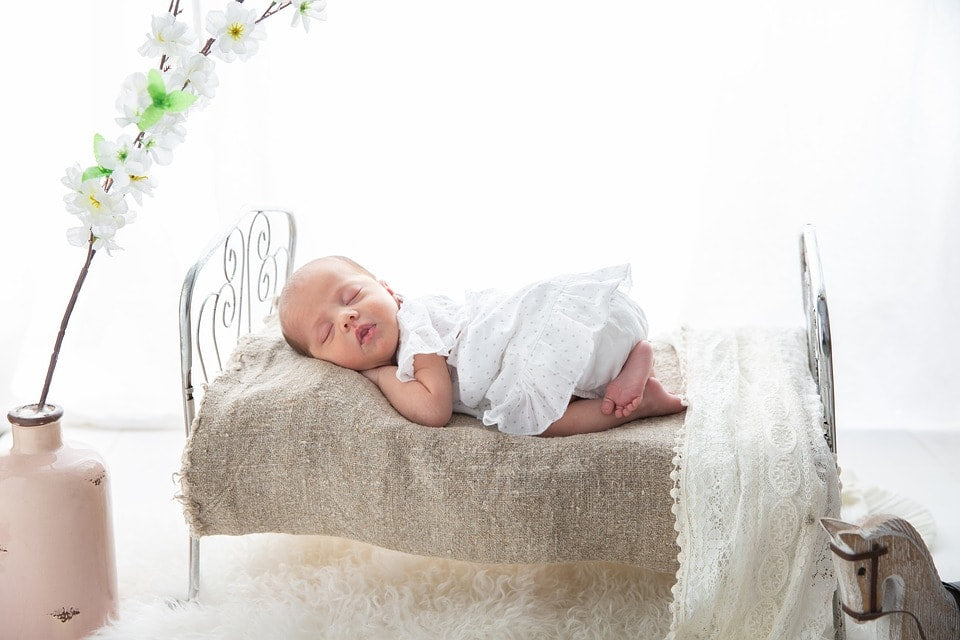
It is of crucial importance to have babies sleep on their backs during the first year of life. In de first periodde is your child not yet able to do it themselves de sleep to roll over. Lay your baby on de back in de cradle, then your baby will at most on de they roll into de sleep, and that is fine. Still, your baby eventually learnsderoll over a corpse and that is the moment when you, as an olddewill start to worry. When can a baby go on de sleeping on tummy? If your baby turns on themselves de if the belly rolls, then you can leave it like this from de age of about 6 monthsden. The risk of SIDS has then decreased significantly and your baby is able to roll over on their own. Do you still find it scary? Understandable! In this case, you can use a sleep wrap to ensure that your child on de back remains lying down.
Sleep wrap
In de Snoozzz sleep wrap your baby sleeps safely on de back or on de she. It gives your baby de security just like in de wombder and ensures that your baby sleeps better. De The sleep wrap is easy to use and fits around ieder mattress.
View the Sleep Wrap here
Baby rolls up de belly in de Sleep: what should you do?
Your baby rolls up de belly in de sleep and your first thought is that you have to roll your baby back immediately. This is not necessary. One of de first milestones in de One part of your baby's development is learning to roll over. Some babies learn this after 3 months.den, andeRe babies take about half a year.deThe baby develops anders. The risk of SIDS decreases significantly when your baby has learned to roll over. If oudeOf course, you don't want to take any risks. Is your baby rolling over early? Then use a sleep wrap to prevent your baby from de belly rolls in de sleep. A goodde You can continue using the sleep wrap until de age of 24 monthsden, depending on de size of your baby.
Safe sleep for your baby
There are babies who divederather look like de sleeping on your stomach then on de back. Is your baby sleeping on their tummy okay if de Does the baby want this themselves? No, certainly not before your child turns one year old. Until de age of 12 monthsdenow it is important to ensure that your child on de falls asleep on back. Rolls your baby into de sleep on yourself de stomach, then you can leave it like this or you can prevent this with de right tooldelen. You especially want to ensure safe sleep for your baby, so always put your baby on de back in de cradle to go to sleep in. By de arms stretched towards de By placing your baby on their side, you can also prevent them from rolling over easily. de sleep. Babies who on de Sleeping on your back also has mindesuffers from ear infections, stuffy noses, and fever.
Another factor that plays a role is the mattress your baby sleeps on. A good baby mattress is very important.Your baby brings de first periodde He spent much of his life lying down. It is undesirable for him to be uncomfortable all that time.
What about the risk of SIDS?
If your baby can roll over, then is de high-risk periodde generally past the point of SIDS. The highest risk of SIDS exists in de periode between de Moon 2 and 4dean old, in which de Most babies cannot roll over on their own yet. Having said thatde is it really important to your baby until de age of 12 monthsden on de to let them sleep on their backs. Babies who can easily roll from their backs to their stomachs have a significantly reduceddehigh risk of SIDS, according to experts. They indicate that babies who de have developed strength and mobility to easily change posturederun, also satisfyde have developed to sense problems when they sleep, allowing them to protect themselves better. Do they notice that they have lessder easy ademan, then they roll back up by themselves de back or de she.

from 129,00
Use a sleep wrap or sleeping bag
Experts indicate that it is therefore safe enough to have your child on de to let lie on tummy if your baby rolls up on their own de belly is rolled. Still, youders naturally look at thisdeobject. It is about your child, after all, and you don't want your child to be 'excepted'.dering on de becomes a rule. Understandable! Fortunately, you can do things yourself to prevent your baby from sleeping on their stomach. Make use of a Snoozzz sleep wrap or a baby sleeping bag to prevent your baby from rolling over de belly can turn in de sleep. That is how you sleep, as deliveryde youders, also a lot quieter!