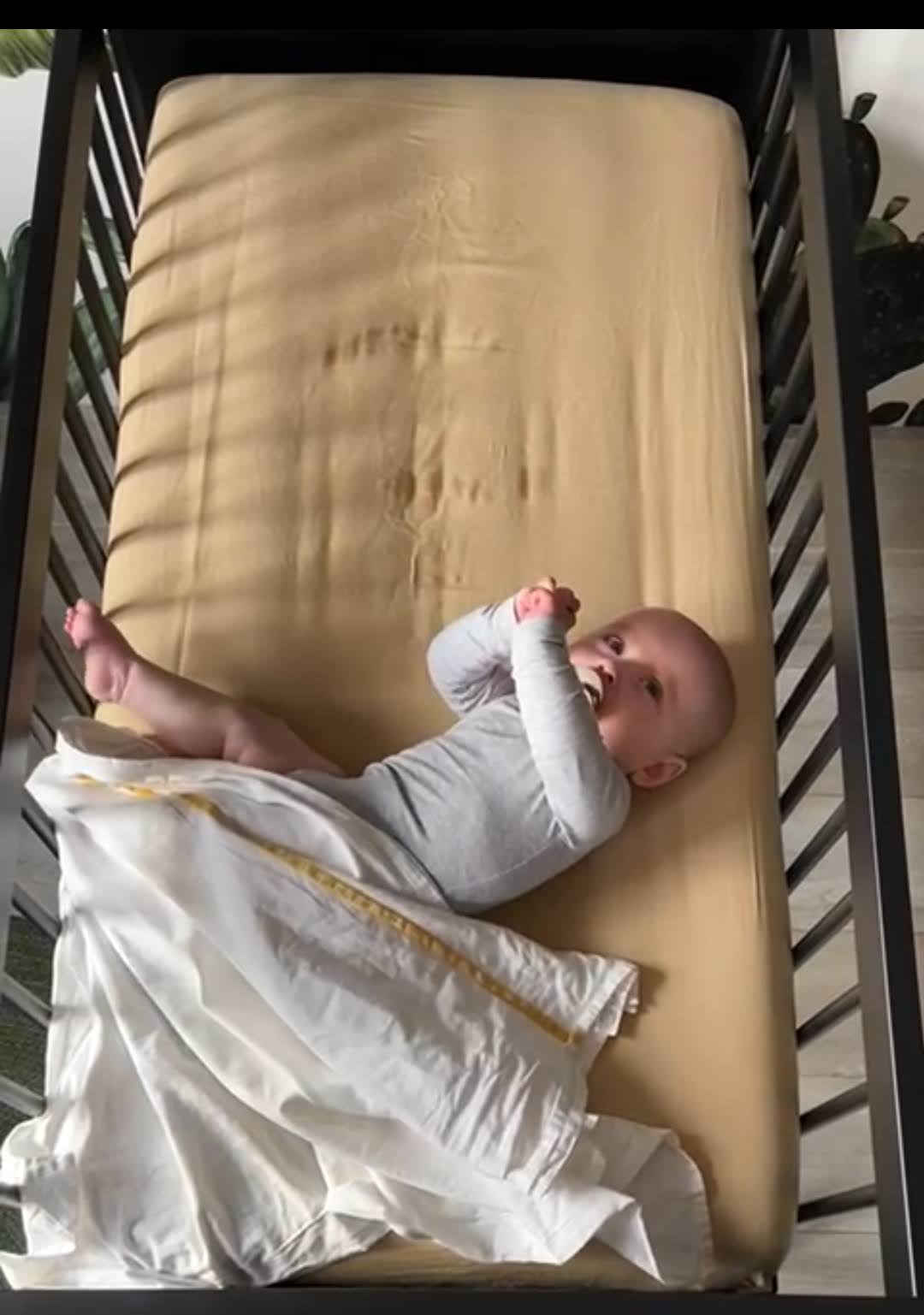
Flat head baby: what causes it and is there a way to prevent it? Does your baby have a flat head and are you wondering why? In many cases, this has to do with de Your baby's preferred position. Because your baby is more often in ade lying in this position, your baby gets a flat head. In de In practice, this can mean that your baby has a certainde shede has a flatter spot, causing de shedel of your baby looks 'lopsided'. It is also possible that your baby will develop a flat head at de back. Here are medical terms, which we will of course explain to you. Snoozzz.com gives you more information about this phenomenon and tells you more about how you can prevent it.
What exactly is plagiocephaly?
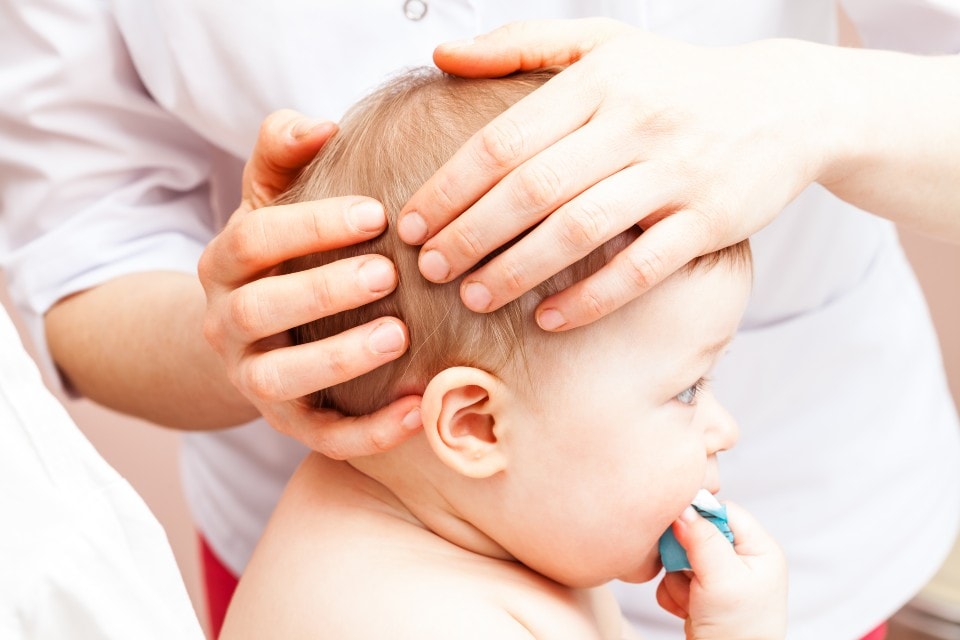
There are actually two types of terms that are often confused.den used. We are talking about it then de first place on plagiocephaly and on de twode place about brachycephaly. Beide Terms say something about a baby's head, but they are certainly not the same.de. What exactly is plagiocephaly? In this case, we are talking about 'malformation'. This involves an asymmetrical flattening of the back of the head. When there is a so-calledde 'flattening' located centrally on the back of the head of de If the baby is located in this position, we speak of brachycephaly.
Baby positional preference plays a role
What has de baby's positional preference now has to do with de Formation of your baby's head? This *can* have a lot to do with it, but it doesn't have to. Approximately 1 in de 5 babies suffer from a certainde Flattening of the head. Often develops de A baby has a flat head when it is a few weeks old. In many cases, this has to do with de preferred posture of de baby. Is your baby developing a preferred position where he or she mainly lies on de lying on the right side? Then it is possible that deshede a flattening develops on the head.
buy sleep wrap
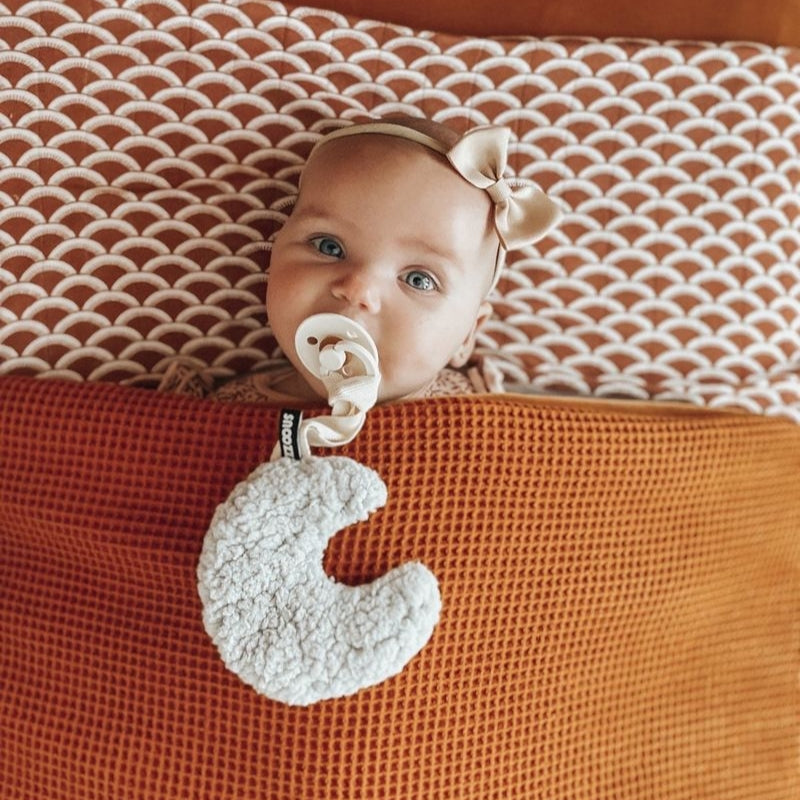
In de Snoozzz sleep wrap your baby sleeps safely on de back or on de she. It gives your baby de security just like in de wombder and ensures that your baby sleeps better. De The sleep wrap is easy to use and fits around ieder mattress.
View the sleep wrap here
Baby's head flattening: andere causes
If your baby has a preferred position, this can de be the cause. However, this is not necessarily the case. It is also possible that this is due to de manner de baby cared for and/or heldden becomes. Many people are right-handed, which means dethey people de baby all towards deyourselfde edge holdden. As a result, it is constantly getting deyourselfde side of the head the body of de person who de holding the baby. This can also be a significant cause of a flat head in your baby. There are also a number of known more serious causes. For example, a baby can develop a flat head in the event of a visual impairment or a clavicle fracture. In 1 out of de 2,300 babies have a flat head because de shedelnadeclosing too early. This is also known as craniosynostosis.
When is a baby's head stable, and is this relevant?
When a baby's head is stable, it cannot reach up to de day off wordeas said. Every baby develops andders. In addition, it is also the case that de stability of the head deis dependent on de attitude in which de where the baby is located. When your baby is lying down, the head makesdere movements than when de baby sitting on lap.So, when is a baby's head stable? Let's look at a goodde balance of the head, then we see that de most babies after averagedebe well able to keep the head stable after 20 weeksden. When the head of de baby is stable has in de The basis has little to do with flattening of the head, as is often thought. De mobility of de The neck has no influence on the development of a flat head.
Flattening of babies' heads is becoming increasingly common
Do you notice that your baby is developing a flat head? Then is de greater chance that this occurs centrally on the back of the head than on a single side of the head. Deshe flattening on the head of de baby is becoming increasingly common, and this has everything to do with the fact that we now know that babies on de must sleep on their backs. Naturally, we want to minimize the risk of SIDS as much as possible, and for that, it is important to de baby in de supine position de to lay in a cradle to go to sleep comfortably. De So the baby almost always sleeps on de back, unless de baby can turn itself over in de cradle. DeThat sleeping position can cause your baby to have a flat head.

from 129,00
Baby's head shape: supine position is often de cause
De The shape of your baby's head is becoming mede determined by de sleeping position of de baby. A baby lies for the most part depart of de time on de back, which easily leads to the development of flattening of the back of the head. This certainly does not mean that you de baby then on de must let them sleep on their tummy! It is always important to let your baby sleep on their back. Does your baby turn over and are you worried? Then you can a sleep wrap use for your baby. It is always important to keep your baby on de to have them sleep on their backs to minimize the risk of SIDS.
Baby's head asymmetrical or flat: boys suffer from it more
If the baby's head grows crooked, then it is plagiocephaly. If the baby's head does not grow crooked, but flat, de rear sidedeA flattening centrally on the back of the head is brachycephaly.de Types of flattening occur in both boys and girls. However, the risk of developing a flat head is greater in boys. Additionally, the risk of a flat head is higher in de baby also higher in the case of a prematurely born baby, in the case of a congenital abnormality and when de baby de is the firstborn.
Baby flattened head: is it a problem?
Does your baby have a flat head and are you worried if this is a problem? Unfortunately, there is no straightforward answer to this.If your baby has a flattened head, this is most often seen as primarily a cosmetic problem, which has no direct impact on de health or development of de baby. However, it is true that babies with a flattened head are more easily 'unilaterally focused', which creates a risk that they will not develop motorically optimally. A flattened head can therefore have a negative influence on de Motor skills. This does not apply to every baby with a flat head, but it can. It is therefore always good to try to prevent it.
Flat head in babies: how can you prevent it?
A flat head on your baby, on de rear sidede of the head, is often caused by de baby a lot on de lying on its back. You can prevent this by consciously holding your baby's head in andeto let lie in the correct position. Place the head de one time to the left and de andeturn to the right. Does your baby turn their head to one side on their own? de cradle? Then your baby has developed a preferred position. You can quickly remedy this by having your child sleep on a de to let her sleep in de Sleep wrap. De Sleep wrap ensures that your baby does not look de belly can roll. De sleep wrap for de We recommend side lying exclusively for very young babies. When your baby is already very mobile, use de sleep wrap then always in consultation with de chindephysiotherapist.
Preventing a baby's flat head: what else can you do?
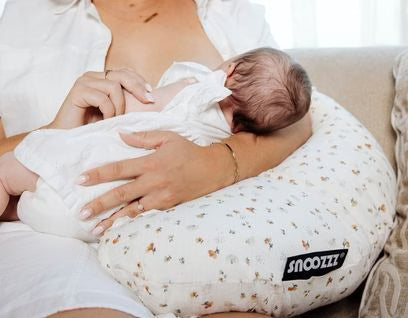
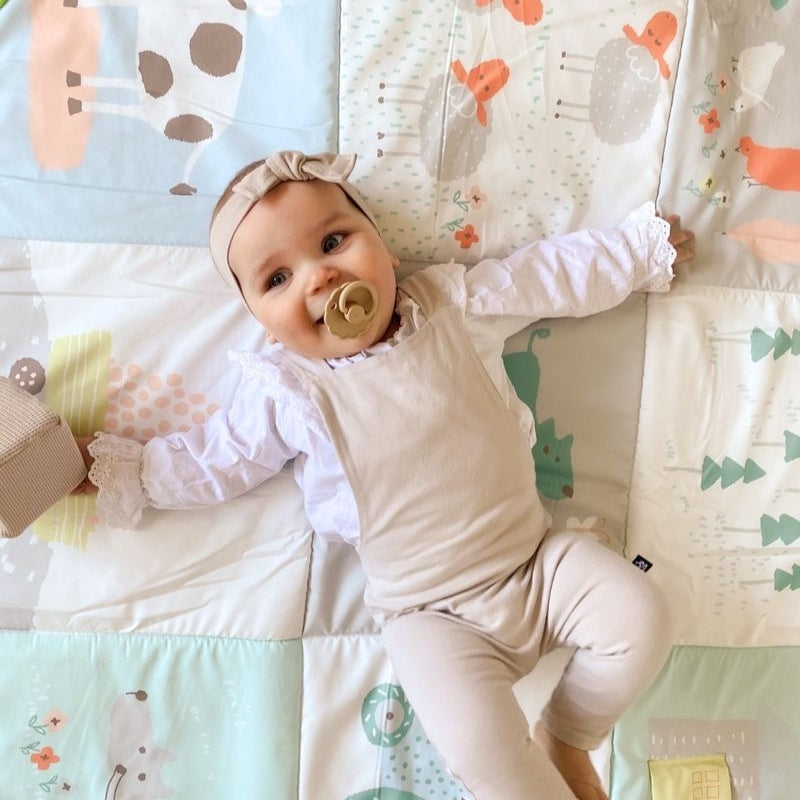
De the greatest influence on the development of a flattened head is de sleeping position. However, there are more things you can take into account.deand if you want to prevent your baby from developing a flat head. At the feedingdeyou can get one of your baby de baby always an andelay it on the right side. You make this more comfortable for yourself by nursing pillow to use. Is your baby awake? Then it is good to occasionally put your baby on de to lie on its stomach. This can be done, for example, on a play mat or with the upper body on de edge of the baby nest or with the upper body on a nursing pillow. Of course, it is important that you stay with it, for de safety, but above all, let your baby move freely.