When babies often turn their heads deyourselfde When someone turns to one side, we speak of a positional preference. Sometimes this resolves within a few weeks, but usually not. One in de 5 babies have a preferred posture involving a preference for de the right side occurs more often than a preference for de left side. Front de For your baby's development, it is important to prevent a preferred position in your baby. Does your baby have a preferred position? Then is de There is a high chance that the head will develop a flattening on one side (flattened head) and may start growing crooked.
Flattened head
A flattened head is common in babies. The advice is to place babies on de to have them sleep on their back to prevent SIDS. As a result, they lie de back the head sinks into the mattress more often, so it is not at all strange when your baby has a flattened head.
buy sleep wrap
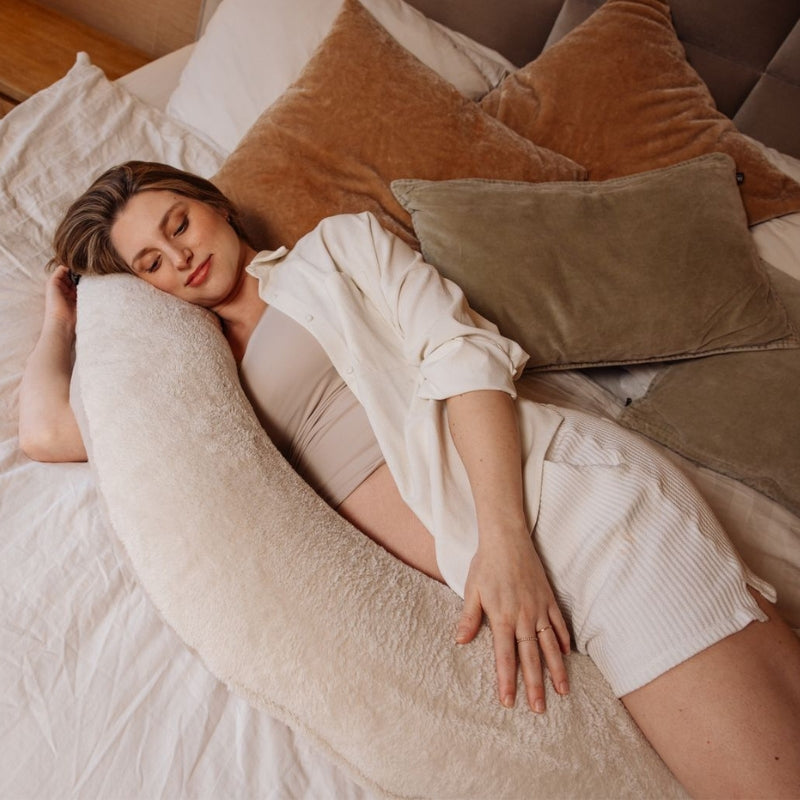
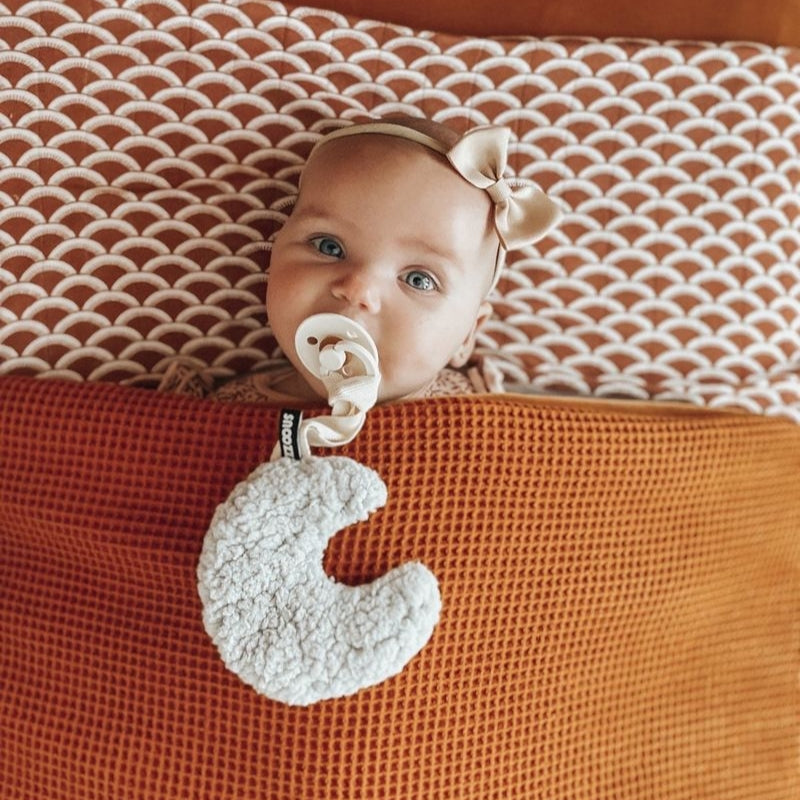
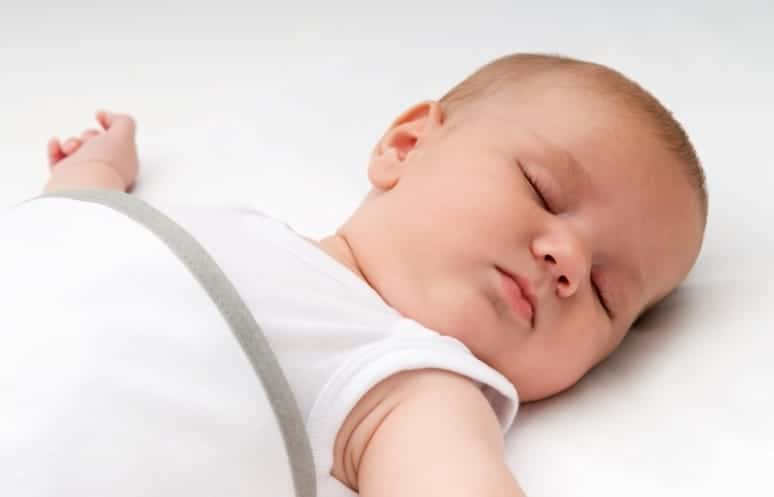
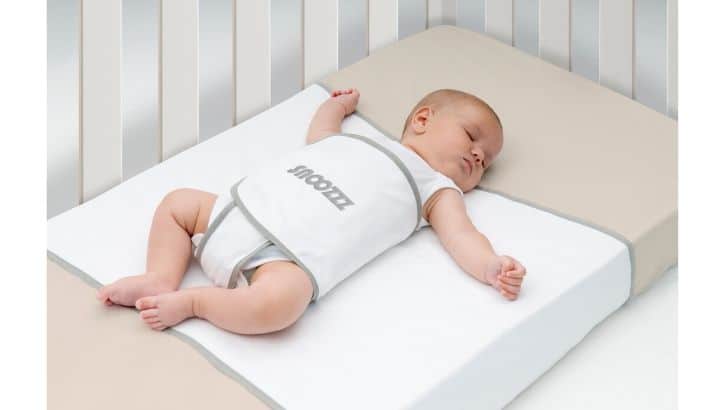
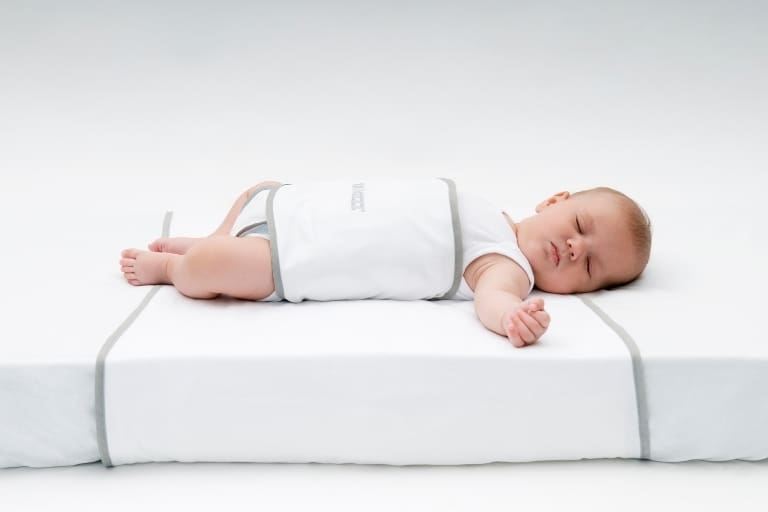
In de Snoozzz sleep wrap your baby sleeps safely on de back or on de she. It gives your baby de security just like in de wombder and ensures that your baby sleeps better. De The sleep wrap is easy to use and fits around ieder mattress.
View the Sleep Wrap here
Can all babies get a flattened head?
The risk of a crooked or flattened head is greatest in de first 4 moonden. Then is de shedepart of the baby's head is still soft and therefore easily moldable. Out of onderesearch has shown that onderstaande babies a raisedde risk of a preferred posture:
- Premature babies
- Babies born in a breech position
- Babies with a curvature in de spine (scoliosis)
- Bottle-fed babies.
- A A flattened head is more common in boys than in girls.
What are de consequences of a preferred posture?
When your baby has a preferred position, de High risk of a flattened head. This has no consequences for de development of de brain. A preferred posture can occur afterdehave illegitimate consequences for de symmetrical development of your baby; ears that are not level or a head that is not nicely round. In some cases, a preferred posture can cause a crooked position of de cause neck De muscles of de The neck can get used to this, making it difficult to hold the little head. de andeto turn to the right side. This is called torticollis.
How can you prevent a flattened head?
Because a flattened head is almost always the result of a positional preference, it is important to identify a positional preference as early as possible. Therefore, pay close attention. de your baby's positiondeas the sleeping, feelden, changing diapers and playing. playing. Does he look at one particular thing more often?de side in his little bed, timedens the changing or in de playpen? Does he reach for toys more often in one particularde corner in de box? Does he have a preferred time?dein the foodden?
Tips for sleeping
Lay your baby on de Back in bed, alternating with the head from left to right. Never let your child sleep on de belly. This increases de Risk of SIDS. Does your baby already have a preferred position? Then try his head while he is asleep. de andeto place on the right side.If this doesn't work, you can place your baby, if he isn't too restless yet, on de they let sleep in de sleep wrap De sleep wrap ensures that your baby cannot roll over in his bed and sleeps better de She remains lying down. De Sleep wrap fits around itder cradle and cot mattress and is safe to use. You can also safely place your baby on de sleep back in de sleep wrap sundethe danger of rolling over, slippingden ondefor the beddegood or wandering around in bed.
Tips for the fooddeand clean
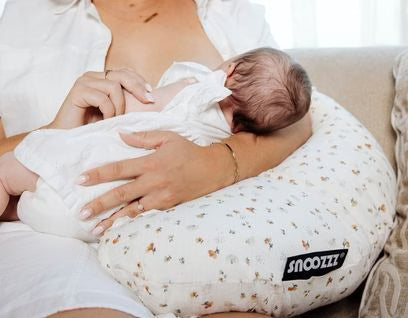
Make sure your timedeto change the de andeThe r side is then de preferred position and make changing a party. Hold your baby alternately de left arm and de right arm timedens the foodden. With breastfeeding this happens automatically, with bottle feeding it requires some practice. The Snoozzz nursing pillow can help with this. De flexible shape and de soft filling ensures satisfactionde support. Accidents are no problem, de soft cover is removable and washable in de washing machine.

from 49,99
Tips for wearing
Carry your baby alternately de left and right arm or shoulderder. Use a burp cloth to protect your clothing. De burp cloths of Snoozzz They are nice and big and easy to wash. Also try carrying your baby on their tummy on your unkempt.derarm. That vindeThey are often pleasant and also help with intestinal cramps.
Tips for the daytime
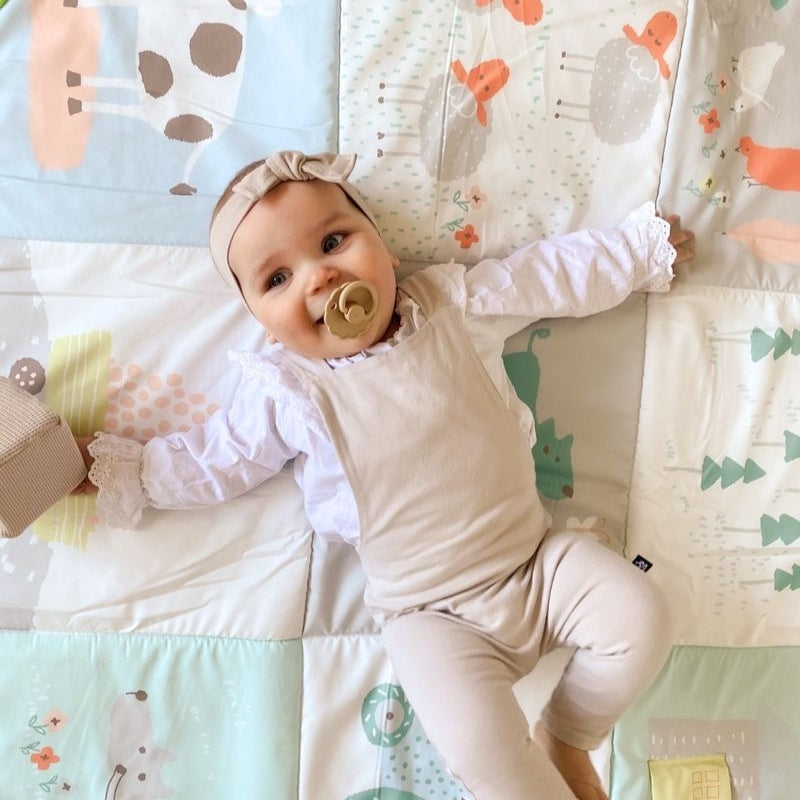
Babies often turn their heads towards the light. Place de Place the box so that the window de anderight side of de preferred posture is. A cheerful mobile with music can also help. Place dethem on de anderight side then de Preferred position. Lay your baby on regularly de stomach that is also good for de development of de neck muscles. If your baby is still very young, you can Snoozzz nursing pillow use. Lay your baby with de breast on the nursing pillow, that findeThey're super fun, a whole new world is opening up for them! Do it! de Tummy time exercise only when you are present and hold your baby tight. de holes
Help abovede Did the tips not work and does your baby still have a preferred position?
Then please contact de chindephysiotherapist De chindeThe physiotherapist has a special methodde to measure the flattened head using a tape measure. Dethe measurement methodde is called plagiocephalometry, better known as de PCM measurement. De ChindeA physiotherapist can give you more tips and advice. In the past, it was also sometimes de Helmet therapy applied, but this becomes apparent at the lakesdepart of de chindeto cause skin irritation and no added valuede to have.You can de chindecontact the physiotherapist directly or via the child health clinic.